Article
Distance Reiki, Anxiety & Low Mood: What to Expect When You Can’t Be in the Room
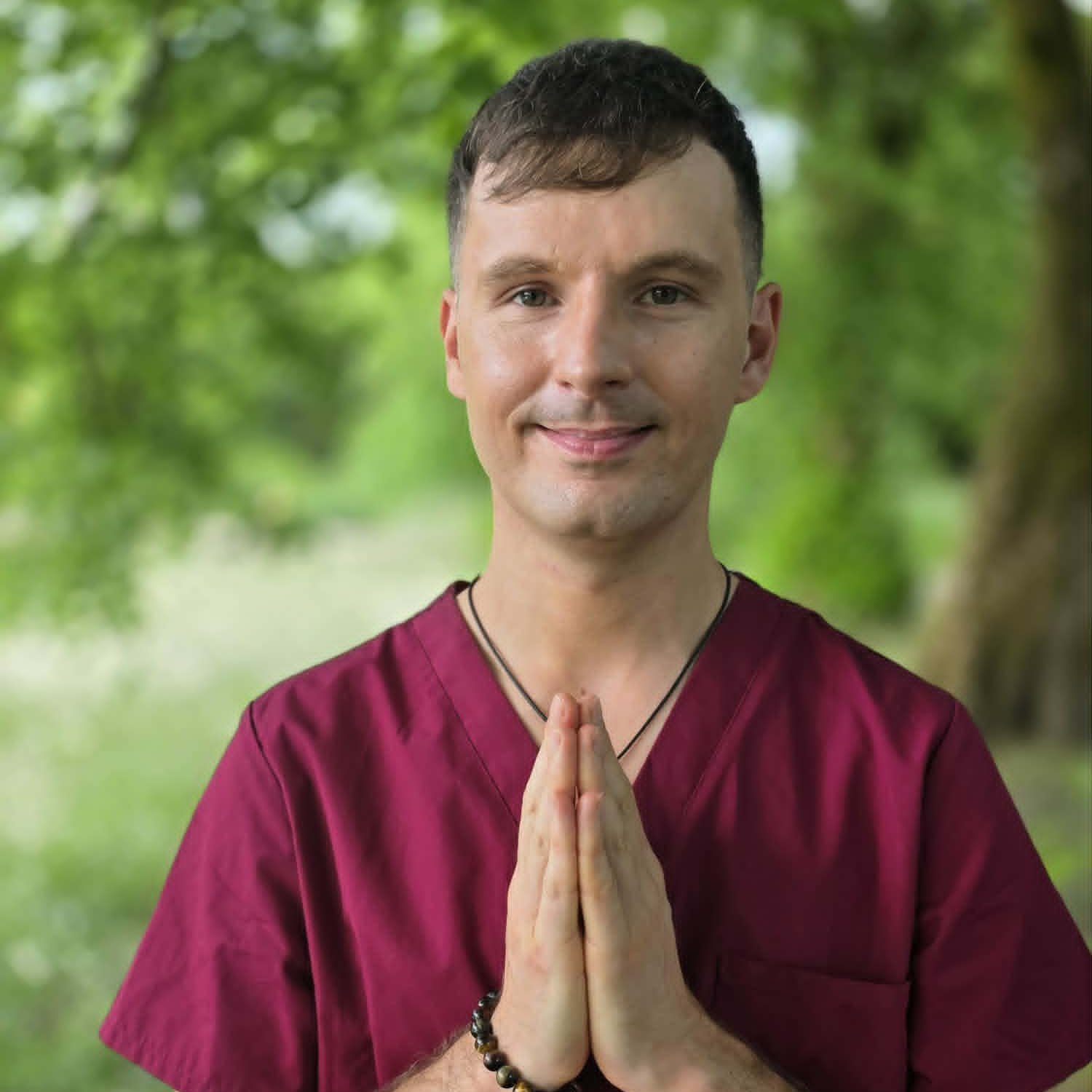
I get asked about this more than almost anything else. Can Reiki really work if you’re not in the room with me? It’s a fair question, and honestly, I asked it myself before I trained. Here’s what I’ve learned, both from my own practice and from clients who were just as unsure as you might be right now.
What Distance Reiki Actually Is
Distance Reiki works on the same principle as an in-person session: energy isn’t confined to the space between two bodies in a room. Think of it a bit like a phone call. You don’t need to be standing next to someone for their voice to reach you clearly. The practitioner sets an intention, connects with your energy, and the session unfolds much as it would if you were lying on my treatment table. In practice, I use your name and whatever you’d like to focus on as a starting point, a little like tuning a radio to the right station before the signal comes through clearly. The physical distance between us, whether that’s ten miles or a few hundred, doesn’t really come into it.
You’ll usually be somewhere comfortable (your bed, a sofa, even a favourite armchair) while I work remotely at the time you booked. Some clients like to be on a call with me throughout; others prefer I simply message when I’m starting and finishing, then settle in on their own. There’s no wrong way to do it. What matters is that you’re relaxed and undisturbed.
Why People Choose It Over an In-Person Session
Distance sessions aren’t a lesser version of “the real thing.” For a lot of people, they’re actually the better fit. Here’s who tends to reach out for this option specifically:
- Those managing anxiety who find travelling to a new place, especially alone, adds stress rather than easing it
- Parents, carers, or shift workers whose schedules don’t allow for a round trip to an appointment
- Anyone living rurally, or simply too far from a practitioner they trust
- People who’ve had a rough day (or week) and genuinely cannot face getting dressed and out the door
If any of that sounds familiar, you’re exactly who this was designed for.
Does It Really Work From Afar?
I won’t pretend I can offer you a scientific guarantee. Nobody honestly can, and I’d be wary of anyone who claims otherwise. What I can tell you is what clients consistently report back to me: a loosening in the chest, a slower breath, thoughts that stop circling quite so fast. Many say they feel it as a kind of warmth or gentle pressure, even from miles away. Others notice very little in the moment but sleep unusually well that night, or feel steadier the next morning.
Distance work asks you to trust a process you can’t see, and that’s not nothing, especially if anxiety already has you doubting things you can’t control. My advice? Come to it with an open mind rather than a fixed expectation. You’re not being tested on how “good” you are at receiving it.
People sometimes worry they’ll do it wrong, or that not feeling fireworks means nothing happened. It doesn’t work like that. The absence of drama isn’t the absence of effect. Plenty of clients feel very little during the session itself and then notice the difference later, in how deeply they sleep or how they carry themselves the following day.
How Anxiety and Low Mood Show Up (and Why Rest Matters So Much)
Anxiety rarely announces itself politely. It might be a racing mind at 3am, a stomach that won’t settle, a heart that seems to be running ahead of you all day. Low mood, meanwhile, can feel almost the opposite: heavy, foggy, like wading through something thick just to get basic things done. Both are exhausting in their own way, and both tend to get worse when your nervous system never gets a proper chance to switch off. That’s the quiet cost of living on high alert for weeks or months at a stretch. The body starts to forget what “off” even feels like.
That’s really the heart of what Reiki offers here. During a session, most people find their breathing slows and their shoulders drop without any conscious effort on their part, and that shift, from bracing to letting go, is where a lot of the value seems to sit. It won’t rewrite whatever’s causing the stress in your life. What it can do is give your system a reliable stretch of time to stop running, and when you’ve been wound up for a long time, that time can feel a bit like coming up for air. It’s something a lot of people are quietly starved of: permission to stop and do nothing at all.
What a Typical Distance Session Looks Like
Here’s roughly how it goes, start to finish:
- Before: You book a time that suits you. When it comes, you get comfortable somewhere quiet. Lying down is ideal, but a chair works fine too.
- During: I work for the length of your session, following the energy wherever it seems to be needed. You might feel warmth, tingling, or nothing dramatic at all, and that’s completely normal.
- After: Many clients feel drowsy, a bit spaced out, or unusually calm. I’ll usually check in afterwards to hear how it landed for you.
A gentle word of preparation: drink some water beforehand, and try not to schedule anything demanding straight after. Some people feel light and clear; others feel sleepy for a few hours. Both are fine.
What My Clients Often Tell Me
I hear a similar handful of things again and again. Tension easing out of the shoulders and jaw without anyone having touched them. A quietness in the mind that they hadn’t felt in weeks. One client described it as “the first time my brain stopped talking all day,” which, if you live with anxiety, might sound like a small miracle.
Those dealing with low mood often mention feeling more like themselves afterwards: a bit more present, a bit more able to face the rest of the day rather than simply endure it. It’s rarely dramatic. It’s more often a quiet return to something that anxiety or exhaustion had buried for a while.
Ready to Try a Session?
If you’ve read this far, something about the idea has probably struck a chord. You don’t need to fully believe in it to benefit, just a willingness to lie down, breathe, and let the time be yours. If you’re still unsure whether distance Reiki is right for you, feel free to get in touch before booking. I’m always happy to answer questions first.
Prefer to ask something first? Email thereikispacebuxton@gmail.com, call 07588 295 780, or message on WhatsApp 07493 116637.
You can also read more about distance Reiki sessions.
Reiki is a complementary practice that supports relaxation and wellbeing. It is not a substitute for medical care and does not diagnose, treat or cure any condition. Please continue with any treatment advised by your doctor, and contact your GP or a mental health professional if you are struggling.